
RESCUE PROCESS FOR ADOPTING FROM BLACKJACK ANIMAL RESCUE
1: On our website, fill out the online adoption application.
2: A volunteer with the rescue will review your application and call your vet and personal reference that you supply.
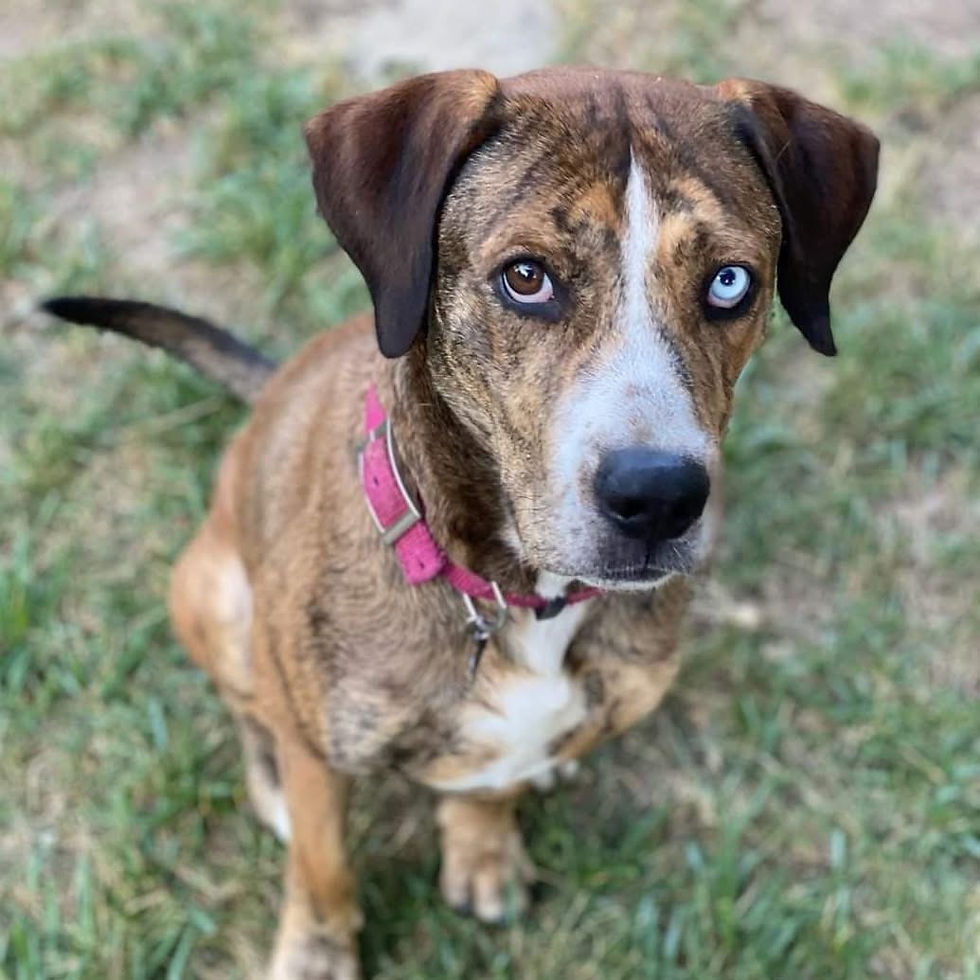
3: A volunteer will call you to discuss your experience with dogs, and home environment, as well as the unique needs of Catahoula Leopard Dogs. They may also answer any questions that you may have about the dog you are interested in adopting.
4: The rescue will conduct a home visit.
5: A "meet and greet" will be scheduled with potential adopters and the dog to ensure there is a connection.
6: If steps 1-5 are completed and all are in agreement then you may take your new family member home with you! We will email, call or text you to let you know you are approved!
We realize this process may seem a bit tedious, especially compared to going to the local animal shelter and adopting (which is a great thing to do as well!) but we take these steps to make certain the dog we rescued and cared for has the best life possible in the future. We are so committed to these animals that our adoption agreement states that if for any reason the adopters can no longer supply a home for the dog that the rescue will take the dog back into our care without hesitation.
Please remember that Blackjack Rescue is an organization of volunteers. Many spend a lot of time, energy and their own money to rescue, transport, foster, provide medical care, train, socialize, house break, and most of all provide a safe place for these dogs that would have otherwise been euthanized at the high kill shelters from which we rescue these dogs. Most everyone that works with this rescue has a "real job" so if we don't respond right away please be patient with us. It may take 24-72 hours to reach your references and you after submitting an application.
IF AT ANY TIME YOU REALIZE THE PROCESS IS NOT WORKING FOR YOU, PLEASE LET US KNOW SO WE ARE NOT CONTINUING TO WORK ON YOUR APP!
Lastly do know that we always strive to do what is best for the dog. As you may know, Catahoulas are still a fairly rare breed in our area. As we take them out in the community to help socialize them most people who approach us have never heard of a Catahoula much less seen one.
We also rescue mixed breeds and they each have a unique issue that is special to them. Please bear with us as we take the time to place them properly in loving homes.
Thank you!



Suggested New Dog Supply List
Their own ID tag - this important item should be worn by your dog at all times, it could save their life. Plastic is easier to see, remember the idea is for someone to be able to contact you even if they can’t get their hands on the dog.
Fitted collar (snap closure is better for nylon & fabric while a buckle is OK for leather) - its key function is to hold the all-important I.D. tag with your address and phone number. A dog should wear this at all times, even while at home.
Leash - fabric or leather work equally well and a 4 or 6-foot length is manageable. Retractable leashes are not recommended as the only leash, but acceptable if you are familiar with its operation.
Martigale collar, Easy Walk Harness, Head Haiti or Harness - we recommend talking to the foster to see what the dog is used too. This will only be for walking the dog to help train them not to pull.
Bowls for water and food - you will need one bowl for food and the other for water. In fact you may want to have two waters bowls, one for inside and the other for outside. There are any number of styles and colors of dog bowls available at any pet store, supermarket or catalog. We recommend stainless steel bowls. The cute pottery or glass ones are easily broken, plastic does not wear well and if often mistaken for a chew toy. A good metal bowl will have a long life and maintain its beauty.
For larger dogs we suggest using a Bowl Stand to elevate their bowls during use. This is better for digestion and may help prevent Bloat. Bowl stands are available in most pet stores or almost anything from an empty flower pot to a small trashcan can be used.
Comb and brush - this is important especially for longer haired dogs and can help cut down on grooming costs. Long hair can become matted if not brushed regularly and your groomer will probably charge extra to get rid of the mats or may even have to shave the dog if the mats are too severe. The comb also helps rid your dog of fleas and small debris they may pick up on walks. Dogs also enjoy brushing and this can be bonding time spent with your dog.
Dog bed - even if the dog is going to sleep in your bed, most like their own place in the family room or activity area. We recommend dog beds with removable zippered covers as they are easier to keep clean. You don’t want a freshly groomed dog sleeping in a dirty bed. Again a vast number of styles, colors and price ranges to choose from. Also, consider the age of your new dog. If they are still teething, you may want to stay away from wicker basket beds for a while or you may end up replacing a chewed on bed.
Flea Treatment - the old fashioned flea collars are out of favor as there are much better products available. We recommend either Frontline, which is good for fleas and ticks and lasts for approximately 3 months (flea portion only) or Advantage which is fleas only and must be re-applied after 30 days. Wait 48 hours before or after a bath for best results.
Toys - most dogs like to have a toy or two. Beware of flimsy toys that contain whistles that dogs could easily tear up and swallow. Many love balls, most like fleece toys (natural colored fleece toys can be washed & bleached). Brightly colored fabric toys that are dyed may be unhealthful. Also, consider the age of the dog. Many of our Catahoulas are natural chewers and need toys that can stand up to them. If the dog is teething anything with nubs that can massage their gums would be best.
Decent brand of food (the better the food, the healthier the dog) - while the number of different kinds of food may seem overwhelming, talk to your vet who will have definite ideas about which food to use. Also if your dog has been in foster care, his foster mom/dad will be able to help you in this area. We don’t recommend the supermarket foods which are usually high in sugar and animal by-products. You can end up with a very fat dog. You will also need to consider any digestive sensitivities your dog may have when choosing a food.
Crate- Many of our dogs are crate trained in their foster home. They have learned their crate is a safe place to go. This is also good to use if you have a dog who is still potty training. Many times while a dog is adjusting to a new home or food or treats they can have accidents or get into mischief and a crate is a great way to prevent that. A crate should always be a positive experience and never used as punishment.